
Sandoval Junk Removal Services
Choose Sandoval Junk Removal for hassle-free, eco-friendly service that clears your clutter quickly and responsibly—so you can reclaim your space with peace of mind.
Get a Free QuoteOur Sandoval Landscaping & Yard Care Services
When to Schedule Junk Removal in Sandoval, Florida – Seasonal Guide
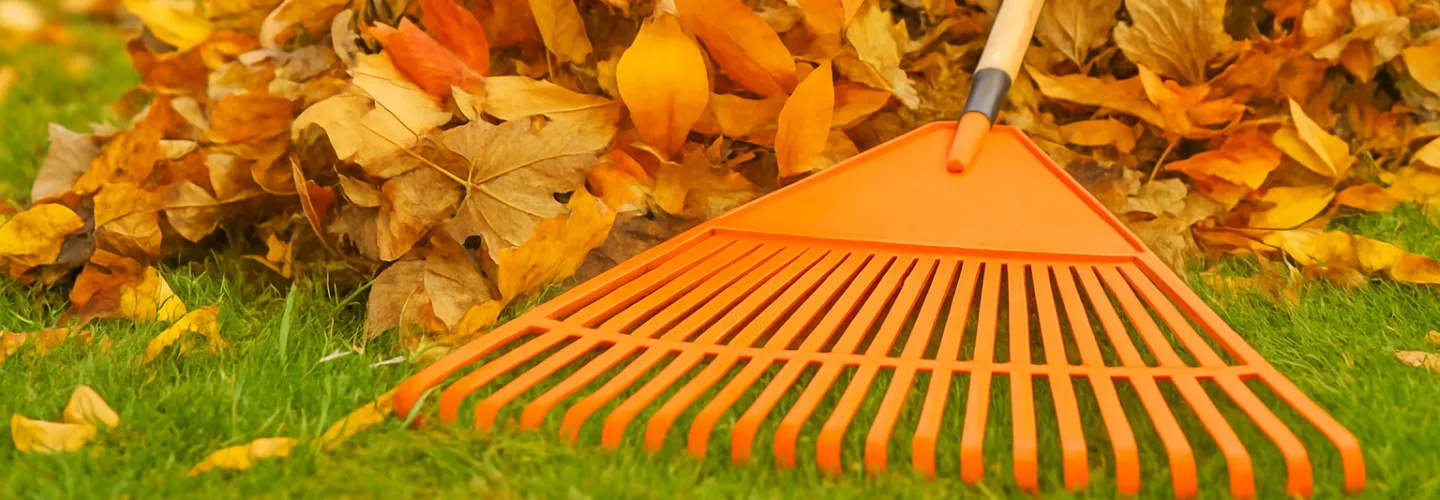
In Sandoval, Florida, timing your junk removal can make a significant difference in efficiency and environmental impact. The region’s subtropical climate, with its humid summers and mild winters, means that spring and late fall are often the most practical seasons for clearing out unwanted items. These periods avoid the peak heat and humidity of July and August, as well as the increased rainfall that can complicate access to yards and driveways in neighborhoods like Sandoval Estates and near the Sandoval Community Park.
Local environmental factors such as early spring frost dates, the risk of summer drought, and the prevalence of sandy soils all play a role in determining the best time for junk removal. For example, shaded lots along Sandoval Boulevard may accumulate more organic debris, while areas closer to the Caloosahatchee River can experience higher humidity and occasional flooding. Before scheduling your service, it’s wise to check for any municipal restrictions or seasonal guidelines provided by the local government.
Local Factors to Consider for Junk Removal in Sandoval
- Tree density and shade coverage, especially in established neighborhoods
- Terrain and soil type, such as sandy or flood-prone areas
- Seasonal precipitation patterns and risk of heavy rain
- Municipal restrictions or scheduled bulk pickup dates
- Proximity to landmarks like Sandoval Community Park or the Caloosahatchee River
Benefits of Junk Removal in Sandoval

Efficient Yard Cleanup
Eco-Friendly Disposal
Improved Curb Appeal
Safe Debris Removal
Time-Saving Services
Professional Landscaping Support
Sandoval Junk Removal Types

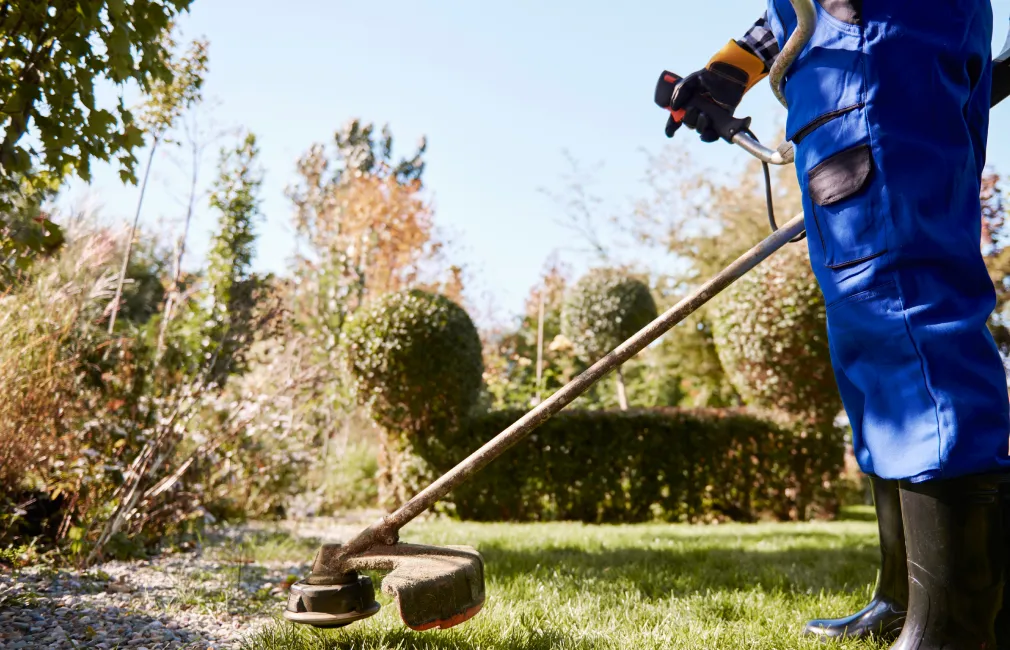
Yard Waste Removal
-
Tree Branch Disposal
-
Sod and Soil Hauling
-
Landscape Debris Cleanup
-
Shrub and Bush Removal
-
Mulch and Rock Removal
-
Garden Structure Disposal
Our Junk Removal Process
Site Evaluation
Customized Plan
Efficient Removal
Responsible Disposal
Why Choose Sandoval Landscape Services
-
Sandoval Homeowners Trust Us
-
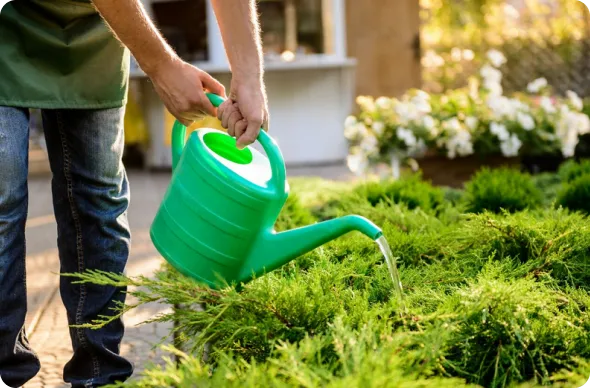
Expert Lawn Maintenance
-
Reliable Scheduling
-
Competitive Pricing
-
Professional Team
-
Satisfaction Guarantee
-
Personalized Service
Coordinating Junk Removal Disposal Through Cape Coral's Public Works and Waste Programs
Sandoval residents must coordinate junk removal activities with the municipal waste management infrastructure administered by the City of Cape Coral. Bulk waste and non-hazardous debris generated during residential cleanouts require proper segregation before disposal. Key disposal guidelines include:
- Acceptable bulk items: Furniture, appliances (with doors removed), mattresses, and non-hazardous construction debris under 4 feet in length
- Prohibited materials: Tires, batteries, paint, pesticides, motor oil, and electronics containing hazardous components
- Scheduling: Bulk waste pickup must be scheduled in advance; items placed curbside without authorization may result in code enforcement action
- Container requirements: Loose debris must be bagged or containerized in receptacles not exceeding 50 pounds per unit
Residents should contact the Lee County Solid Waste Division for hazardous material drop-off locations, as these items cannot enter standard municipal waste streams. Construction and demolition debris exceeding standard residential volumes typically requires transport to a licensed Class III landfill facility. The Florida Environmental Protection Act governs statewide solid waste management standards that apply to all disposal activities within Sandoval.
City of Cape Coral Public Works Department
1015 Cultural Park Boulevard, Cape Coral, FL 33990
Phone: (239) 574-0611
Official Website: City of Cape Coral Public Works Department
Navigating Cape Coral's Environmental Regulations for Debris Near Canals and Waterways
Sandoval's extensive canal system and proximity to the Caloosahatchee River impose strict environmental compliance requirements on junk removal operations. Under the Clean Water Act and Cape Coral's MS4 stormwater permit, debris must not enter storm drains, canal banks, or surface water bodies. Specific requirements include:
- Buffer zones: Maintain a minimum 25-foot no-disturbance zone from canal edges and wetland boundaries during debris staging
- Sediment control: Use silt fencing or turbidity barriers when removing materials within 50 feet of any waterway
- Prohibited discharge: No construction debris, yard waste, or liquid waste may be deposited into stormwater conveyance systems
- Reporting: Accidental discharge of materials into canals requires immediate notification to the Florida Department of Environmental Protection
Cape Coral's Environmental Resources division enforces local protections for burrowing owl habitats and gopher tortoise colonies, both of which may be present on properties undergoing junk removal. Before ground disturbance or heavy equipment staging, property owners should verify whether listed species occupy the site. EPA Region 4 provides additional federal oversight for water quality compliance in southwest Florida.
City of Cape Coral Environmental Resources
1015 Cultural Park Boulevard, Cape Coral, FL 33990
Phone: (239) 574-0611
Official Website: City of Cape Coral Environmental Resources
Sandoval's Sandy Entisol Soils and Heavy Equipment Access Challenges for Junk Removal
Sandoval's underlying soils consist predominantly of sandy Entisols characteristic of southwest Florida's coastal plain, with Immokalee fine sand and Oldsmar fine sand series common throughout the area. These soils present specific challenges for junk removal operations involving heavy equipment:
- Low bearing capacity: Sandy soils with a seasonal high water table at 12–24 inches below grade can become saturated during the wet season (June through October), causing trucks and loaders to sink or rut
- Compaction risk: Equipment weighing over 10,000 pounds can compact sandy soils to depths of 6–8 inches, damaging root zones of existing landscaping and impairing drainage
- Ground protection: Plywood sheeting or ground mats should be placed under equipment staging areas to distribute load across a minimum 4-foot-by-8-foot surface
- Restoration: Ruts exceeding 3 inches in depth should be filled with clean fill sand and regraded to maintain proper drainage away from structures
Property owners can research site-specific soil conditions using the USDA Web Soil Survey before scheduling large-scale junk removal projects. Sandoval falls within USDA Hardiness Zone 10a, where year-round warm temperatures and high humidity accelerate organic debris decomposition, making timely removal essential to prevent pest infestations and mold growth. The UF/IFAS Extension offers guidance on soil restoration following heavy equipment use on Florida's sandy soils.
Safety Protocols and Equipment Standards for Junk Removal in Sandoval's Subtropical Climate
Sandoval's subtropical climate, with average summer temperatures exceeding 90°F and humidity levels frequently above 80%, demands rigorous safety protocols during junk removal operations. The National Weather Service Tampa Bay office issues heat advisories that directly affect outdoor work scheduling. Required safety measures include:
- Heat illness prevention: Mandatory 15-minute rest breaks in shaded areas every hour when the heat index exceeds 103°F; minimum 32 ounces of water per worker per hour
- Personal protective equipment: ANSI Z87.1 rated safety glasses, cut-resistant gloves (ANSI A4 minimum), steel-toed boots with puncture-resistant soles, and high-visibility vests when working near roadways
- Lifting standards: Items exceeding 50 pounds require two-person lifts or mechanical assistance; back braces recommended for repetitive lifting tasks
- Wildlife hazards: Inspect debris piles for fire ants, venomous snakes (eastern diamondback rattlesnake, coral snake), and wasp nests before handling; maintain a first aid kit with epinephrine auto-injectors on site
- Equipment operation hours: Typically 7:00 AM–7:00 PM Monday through Saturday; verify current noise ordinance restrictions with Cape Coral code enforcement
Operators should also contact Sunshine 811 at least two full business days before any ground disturbance, including post or fence removal, to locate underground utilities.
How Cape Coral's Building Division Oversees Permits for Structural Junk Removal Projects
When junk removal extends to the demolition or removal of attached structures—such as sheds, carports, screen enclosures, or concrete slabs—Cape Coral's Building Division requires permits before work begins. Permit requirements include:
- Demolition permits: Required for any attached or detached structure exceeding 120 square feet; application fee typically ranges from $50–$150 depending on scope
- Review timeline: Standard permit review takes 5–10 business days; expedited review may be available for an additional fee
- Asbestos inspection: Structures built before 1980 require an asbestos survey by a licensed inspector before demolition; results must be submitted with the permit application
- Debris disposal documentation: Contractors must provide proof of disposal at a licensed facility, including weight tickets from the receiving landfill or recycling center
- Utility disconnection: Electrical, plumbing, and gas connections must be professionally disconnected and capped before structural removal begins
The Cape Coral Planning Division should be consulted for properties within special zoning overlays or planned development districts, as additional review may apply. Florida law requires all contractors performing demolition work to hold a valid state license and carry minimum liability insurance of $300,000.
City of Cape Coral Building Division
1015 Cultural Park Boulevard, Cape Coral, FL 33990
Phone: (239) 574-0611
Official Website: City of Cape Coral Building Division
What Streets and Subdivisions Do We Serve Throughout Sandoval, FL?
- Sandoval Drive and the main boulevard corridor: This central thoroughfare features medium-density single-family homes on quarter-acre lots with sandy Immokalee soils and moderate canal proximity, requiring careful debris staging to avoid stormwater system impacts.
- Sandoval Lakes area near the community lake features: Properties adjacent to the retention lakes have elevated water tables at 12–18 inches during wet season, limiting heavy equipment access from June through October and necessitating ground protection mats for truck staging.
- Northern sections near Kismet Parkway: Homes along the northern boundary experience higher traffic volumes, requiring advance coordination with Cape Coral's transportation division when roll-off dumpsters or equipment trailers occupy right-of-way areas.
- Interior cul-de-sac streets and courts: Narrow turning radii on interior residential courts restrict access for vehicles exceeding 30 feet in length; smaller box trucks or trailer-based operations are typically required for efficient service delivery.
- Southern parcels bordering undeveloped preserve land: These lots adjoin conservation areas with documented burrowing owl habitat, requiring pre-removal wildlife surveys and a minimum 10-foot equipment setback from burrow locations per Cape Coral environmental ordinance.