
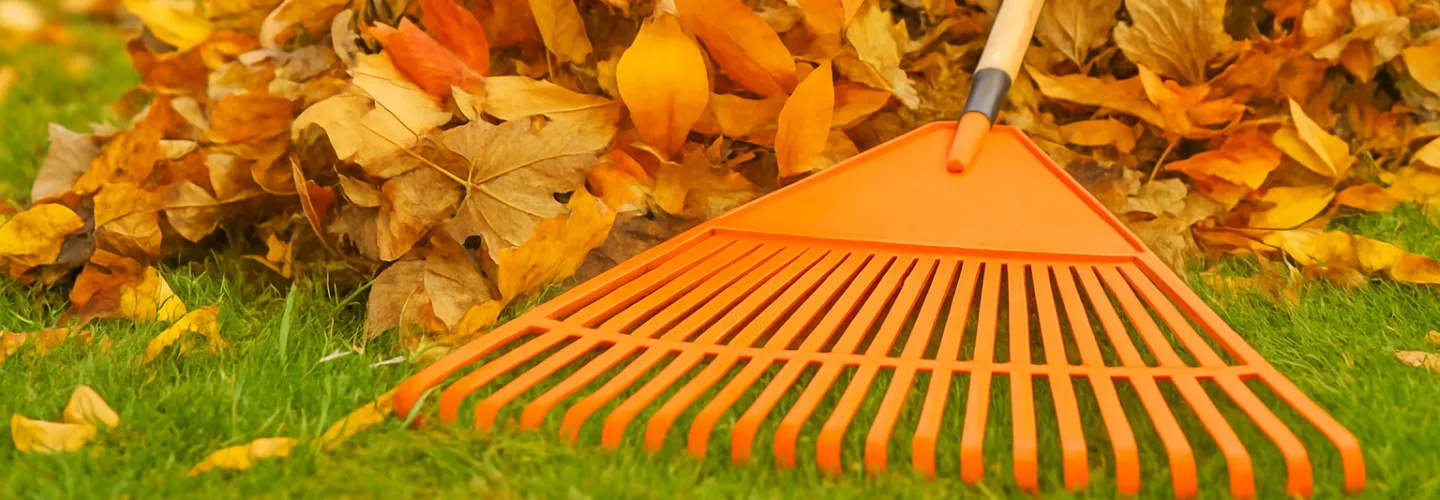
Sandoval Lawn Aeration Services
Choose our expert lawn aeration services to promote healthier, greener grass, improve soil quality, and ensure your yard thrives all season long.
Get a Free QuoteOur Sandoval Landscaping & Yard Care Services
When to Schedule Lawn Aeration in Sandoval, Florida – Seasonal Guide
In Sandoval, Florida, timing your lawn aeration is crucial for achieving a lush, healthy yard. The best periods for aeration typically fall in late spring and early fall, when warm-season grasses like St. Augustine and Bermuda are actively growing. Sandoval’s subtropical climate, with its humid summers and mild winters, means that soil compaction can occur quickly—especially after heavy summer rains or in shaded areas near the Sandoval Community Center and along the scenic Lake Sandoval Drive.
Local environmental factors play a significant role in determining the optimal aeration window. For example, neighborhoods near the Caloosahatchee River may experience higher humidity and occasional flooding, while areas closer to Veterans Park might have denser tree coverage and more persistent shade. It’s important to consider the last frost date, which in Sandoval is typically early February, as well as the risk of drought during late spring. For more information on local climate patterns, visit the official Sandoval resource.
Local Factors to Consider for Lawn Aeration in Sandoval
- Tree density and shade coverage, especially in neighborhoods like Sandoval Estates
- Soil type and compaction, common in areas with sandy or clay-heavy soils
- Seasonal precipitation patterns and risk of drought
- Proximity to water features, such as lakes or canals
- Municipal watering restrictions and local ordinances
- Terrain slope and drainage characteristics
By taking these local factors into account, you can ensure your lawn receives the care it needs at the right time of year, resulting in a greener, more resilient landscape.
Benefits of Lawn Aeration in Sandoval
Improved Soil Health
Enhanced Grass Growth
Better Water Absorption
Reduced Soil Compaction
Stronger Root Systems
Increased Lawn Resilience
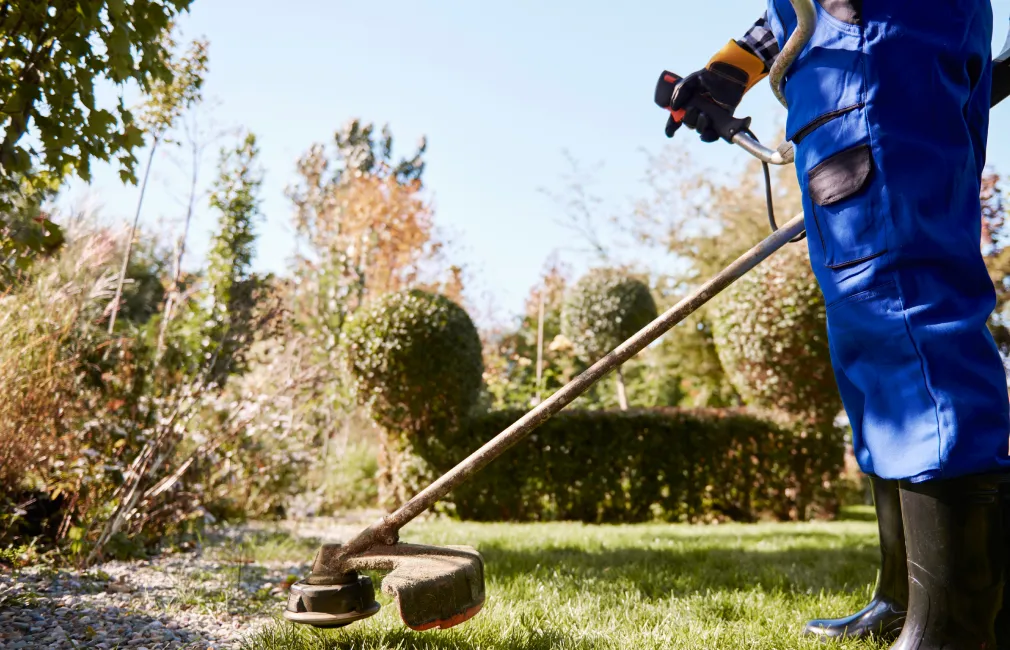
Sandoval Lawn Aeration Types

Core Aeration
-
Spike Aeration
-
Liquid Aeration
-
Slicing Aeration
-
Manual Aeration
-
Aeration with Overseeding
-
Power Aeration
Our Lawn Aeration Process
Site Evaluation
Preparation
Core Aeration
Cleanup
Post-Aeration Recommendations
Why Choose Sandoval Landscape Services
-
Sandoval Homeowners Trust Us
-
Expert Lawn Maintenance
-
Reliable Scheduling
-
Competitive Pricing
-
Professional Team
-
Satisfaction Guarantee
-
Personalized Service
Sandoval's Sandy Entisol Soils and Core Aeration Depth Requirements
Sandoval is a community within the Cape Coral metropolitan area of Lee County, Florida, situated in USDA Hardiness Zone 10a. The predominant soils throughout Sandoval consist of Entisols—specifically Immokalee fine sand and Myakka fine sand series—characterized by excessively drained sandy profiles with acidic pH ranging from 4.5 to 6.0 and extremely low organic matter content. These sandy flatwoods soils present distinct aeration challenges: standard hollow-tine core aerators must penetrate 2–3 inches to reach compacted sublayers beneath the loose surface sand. Property owners should note the following soil-specific considerations:
- Core aeration tine diameter: 0.5–0.75 inches for sandy soils
- Recommended passes: 2–3 overlapping passes to achieve adequate hole density (20–40 holes per square foot)
- Soil moisture requirement: irrigate 1 inch of water 24–48 hours before aeration to prevent tine slippage in dry sand
- Avoid aeration when water table is within 6 inches of surface (common June–September)
Soil testing through UF/IFAS Extension costs approximately $7–10 per sample and provides pH, nutrient, and organic matter analysis essential for post-aeration amendment planning. Research specific soil series for any parcel using the USDA Web Soil Survey.
Optimal Aeration Timing for Sandoval's Year-Round Growing Season
Unlike northern climates with distinct dormancy periods, Sandoval's subtropical conditions support warm-season turfgrasses—primarily St. Augustinegrass (Stenotaphrum secundatum) and Bahiagrass (Paspalum notatum)—that grow actively from March through November. The optimal aeration window falls during peak growth periods when turf recovers most rapidly:
- Primary window: April 15 – June 15 (soil temperatures consistently above 65°F, active root expansion)
- Secondary window: September 1 – October 15 (post-summer stress recovery, before cooler nights)
- Avoid: December – February (reduced growth rates, soil temperatures below 60°F)
- Avoid: July – August peak (extreme heat stress above 95°F combined with saturated soils from daily thunderstorms)
Monitor local soil temperature data through the National Weather Service Miami office and UF/IFAS weather stations. Aeration frequency for Sandoval's sandy soils is typically every 1–2 years for high-traffic residential lawns and annually for properties with compacted fill soils common in newer developments. Schedule aeration at least 6–8 weeks before anticipated overseeding with annual ryegrass if winter color is desired.
Protecting Sandoval's Canal System and Stormwater Infrastructure During Aeration
Sandoval is situated within Cape Coral's extensive freshwater canal network, one of the largest in the world, making stormwater management a critical consideration during lawn aeration activities. Displaced soil cores and loosened sediment must not enter storm drains, canal banks, or surface water conveyance swales. Under the Clean Water Act and Cape Coral's MS4 stormwater permit administered through the Florida Department of Environmental Protection, the following compliance measures apply:
- Maintain a 25-foot no-aeration buffer from canal banks and waterway edges
- Do not blow or sweep soil cores into street gutters, storm drains, or swale systems
- Allow cores to decompose naturally on the lawn surface (typically 2–3 weeks) or rake and compost on-site
- Avoid fertilizer application within 10 feet of any water body for 48 hours following aeration, per Florida's fertilizer ordinance guidelines
Cape Coral's Environmental Resources division provides guidance on buffer zone compliance and canal-adjacent property maintenance requirements.
City of Cape Coral Environmental Resources
1015 Cultural Park Boulevard, Cape Coral, FL 33990
Phone: (239) 574-0553
Official Website: City of Cape Coral Environmental Resources
EPA Region 4 – Southeast
61 Forsyth Street SW, Atlanta, GA 30303
Phone: (404) 562-9900
Official Website: EPA Region 4
How Cape Coral's Water Quality and Conservation Programs Affect Post-Aeration Practices
Following core aeration, many property owners apply fertilizer or soil amendments to capitalize on improved root-zone access. In Sandoval, these post-aeration applications must comply with Cape Coral's fertilizer management regulations and the Lee County Fertilizer Ordinance, which restricts nitrogen and phosphorus application during the rainy season (June 1 – September 30). Key post-aeration amendment guidelines include:
- Nitrogen: Maximum 1 pound of soluble nitrogen per 1,000 square feet per application; no more than 4 pounds total nitrogen annually
- Phosphorus: Prohibited unless a soil test confirms deficiency (pH below 5.5 or Mehlich-3 phosphorus below 25 ppm)
- Application setback: No granular fertilizer within 10 feet of water bodies; no spreading on impervious surfaces
- Blackout period: No nitrogen or phosphorus fertilizer June 1 – September 30 (verify current local ordinance dates)
Post-aeration topdressing with clean, weed-free compost at 0.25–0.5 inches is permitted year-round and improves organic matter content in Sandoval's nutrient-poor sandy soils. Cape Coral's Water Quality and Conservation program offers educational resources on responsible fertilizer use.
City of Cape Coral Water Quality and Conservation
1015 Cultural Park Boulevard, Cape Coral, FL 33990
Phone: (239) 574-0553
Official Website: City of Cape Coral Water Quality and Conservation
Navigating Cape Coral's Utility Locating Requirements Before Aeration Equipment Operation
Before operating core aeration equipment on any Sandoval property, operators must account for Cape Coral's extensive underground utility infrastructure, including irrigation lines, reclaimed water mains, potable water connections, and the city's unique dual-water system. Florida law requires contacting Sunshine State One Call (811) at least two full business days before any ground-penetrating activity, including mechanical core aeration. Required pre-aeration steps include:
- Call 811 or submit a request at sunshine811.com at least 48 hours (2 business days) in advance
- Mark all known irrigation heads, valve boxes, and shallow cable TV or fiber optic lines with flags
- Identify septic system drain field locations (applicable to older Sandoval properties not yet connected to city sewer)
- Avoid aeration within 3 feet of marked utility lines
- Set aerator tine depth to no more than 3 inches to reduce risk of striking shallow irrigation pipes (typically installed at 6–8 inches)
Cape Coral's Public Works Department maintains records of municipal utility locations and can assist with identifying infrastructure near rights-of-way.
City of Cape Coral Public Works Department
815 Nicholas Parkway East, Cape Coral, FL 33990
Phone: (239) 574-0800
Official Website: City of Cape Coral Public Works Department
What Streets and Subdivisions Do We Serve Throughout Sandoval, FL?
- Sandoval Drive and the central boulevard corridor: Properties along the main Sandoval Drive feature relatively new construction on compacted fill soils over native Immokalee fine sand, requiring annual core aeration to relieve builder-grade compaction and promote St. Augustinegrass root development.
- Homes near Sandoval Park and the community lake: Lots adjacent to the retention lake and park areas have elevated water tables, often within 12–18 inches of the surface during the wet season, necessitating careful aeration timing between April and early June before summer saturation.
- Via Coconut Point and surrounding interior streets: These interior residential parcels feature smaller lot sizes with dense turf coverage and limited shade, creating heat-stressed lawns that benefit from fall aeration (September–October) paired with post-aeration compost topdressing.
- Lots bordering the Sandoval canal segments: Canal-adjacent properties must observe 25-foot buffer zones during aeration and fertilizer application to protect water quality under Cape Coral's stormwater management requirements.
- Newer development phases along Via Villagio and Via Savona: Recently completed homesites contain heavily compacted subgrade soils from construction equipment, often requiring two to three aeration passes at 2.5–3-inch depth during the first three years after sod installation to establish healthy root systems.