
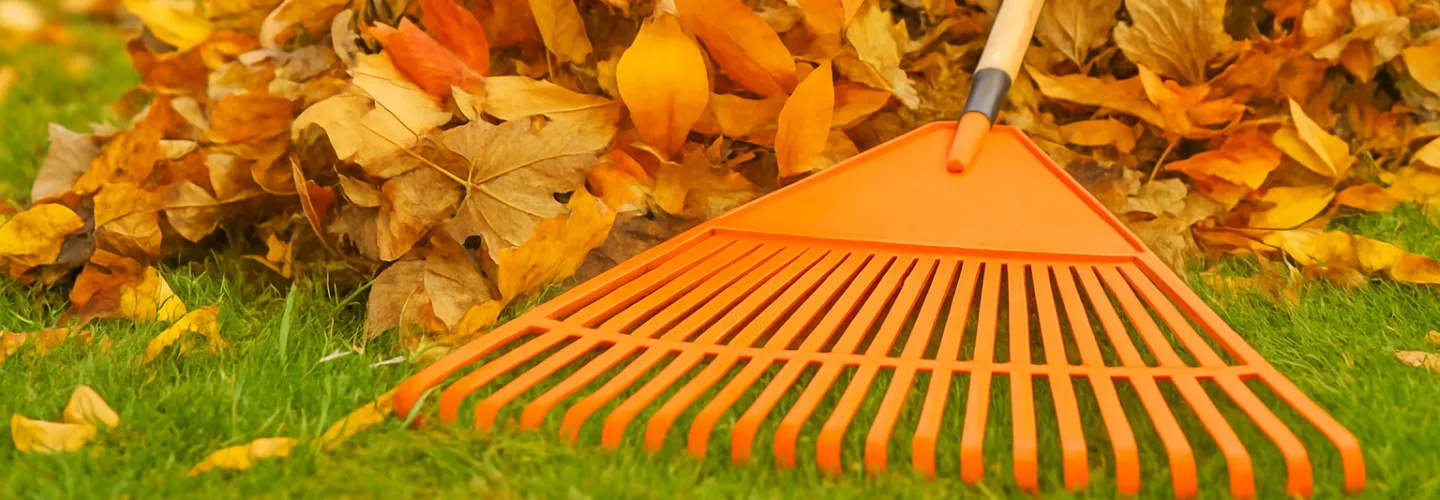
Sandoval Dethatching Lawn Services
Choose Sandoval for dethatching and experience a healthier, greener lawn—our professional team removes built-up thatch to boost growth, improve water absorption, and give your yard the fresh start it deserves.
Get a Free QuoteOur Sandoval Landscaping & Yard Care Services
When to Schedule Dethatching Lawn in Sandoval, Florida – Seasonal Guide
In Sandoval, Florida, the best time to schedule dethatching for your lawn is typically in late spring or early summer, after the last frost has passed and before the peak of the rainy season. The region’s subtropical climate, with its warm temperatures and high humidity, encourages rapid grass growth but also increases the risk of thatch buildup. Neighborhoods near Sandoval Community Park and along the Caloosahatchee River often experience unique microclimates, so it’s important to consider your specific location when planning lawn care.
Local environmental factors such as sandy soils, frequent afternoon thunderstorms, and varying shade coverage from mature oaks and palms can all impact the ideal dethatching window. For example, lawns in shaded areas near Sandoval Boulevard may retain moisture longer, while those in open spaces are more prone to drought stress. Always check local resources like the Sandoval municipal website for updates on water restrictions or community guidelines before scheduling service.
Local Factors to Consider for Dethatching Lawn in Sandoval
- Tree density and shade coverage (affects moisture retention and thatch buildup)
- Soil type (sandy soils drain quickly, influencing timing)
- Recent precipitation and forecasted rainfall
- Proximity to landmarks like Sandoval Community Park or the Caloosahatchee River
- Municipal restrictions or seasonal guidelines
- Lawn terrain and drainage patterns
Benefits of Dethatching Lawn in Sandoval
Improved Lawn Health
Enhanced Water Absorption
Boosted Grass Growth
Reduced Pest Problems
Increased Fertilizer Effectiveness
Professional Landscaping Expertise
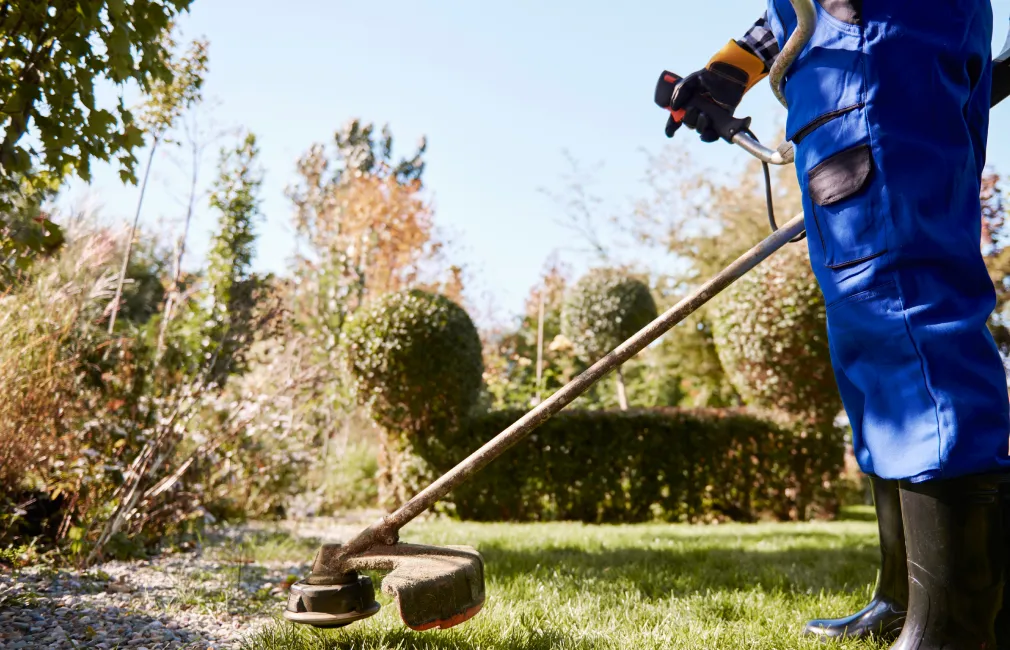
Sandoval Dethatching Lawn Types

Cool-Season Grass Dethatching
Specialized dethatching for fescue, bluegrass, and ryegrass lawns.
-
Warm-Season Grass Dethatching
Expert care for Bermuda, zoysia, and St. Augustine grass types.
-
Residential Lawn Dethatching
Tailored dethatching services for home landscapes of all sizes.
-
Commercial Lawn Dethatching
Professional dethatching for business properties and large green spaces.
-
Sports Turf Dethatching
Precision dethatching for athletic fields and recreational areas.
-
Golf Course Dethatching
Specialized dethatching for fairways, greens, and tee boxes.
-
Eco-Friendly Dethatching
Sustainable dethatching methods to protect your landscape and the environment.
Our Dethatching Lawn Process
Lawn Evaluation
Preparation and Marking
Dethatching Execution
Cleanup and Disposal
Post-Dethatching Inspection
Why Choose Sandoval Landscape Services
-
Sandoval Homeowners Trust Us
-
Expert Lawn Maintenance
-
Reliable Scheduling
-
Competitive Pricing
-
Professional Team
-
Satisfaction Guarantee
-
Personalized Service
Sandoval's Sandy Entisol Soils and Their Impact on Thatch Accumulation
Sandoval, a community within the Cape Coral area of Lee County, Florida, sits within USDA Hardiness Zone 10a, where warm-season turfgrasses such as St. Augustinegrass (Stenotaphrum secundatum) and Bahiagrass (Paspalum notatum) dominate residential landscapes. The predominant Entisol and Spodosol soils throughout Sandoval are characteristically sandy, with pH levels typically ranging from 5.5 to 6.8 and rapid drainage that limits organic matter retention. Despite the well-drained profile, St. Augustinegrass produces aggressive stoloniferous growth that generates substantial thatch layers, often exceeding 0.75 inches within 12–18 months. Thatch accumulation beyond 0.5 inches restricts water infiltration, reduces fertilizer uptake, and creates favorable conditions for chinch bugs (Blissus insularis) and large patch fungus (Rhizoctonia solani). Property owners can verify their specific soil series using the USDA Web Soil Survey and consult UF/IFAS Extension for soil testing services, typically $15–$25 per sample, to determine precise pH and organic matter content before scheduling dethatching operations.
Optimal Dethatching Windows for Sandoval's Subtropical Growing Season
Timing dethatching operations in Sandoval requires careful alignment with the active growth periods of warm-season turfgrasses. The recommended dethatching window for St. Augustinegrass and Zoysiagrass lawns is late April through early June, when soil temperatures consistently exceed 65°F and turf is entering peak vegetative growth. This timing allows the lawn 8–12 weeks of vigorous recovery before the onset of the wet season's heaviest rainfall in August and September. Key scheduling considerations include:
- Late April – Early June: Primary dethatching window; soil temperatures 65–80°F, active stolon regeneration
- September – Early October: Secondary window after peak summer rains subside; avoid if lawn shows drought stress
- November – March: Prohibited period; turf dormancy or semi-dormancy prevents adequate recovery
- Avoid dethatching during active drought: Irrigation must supplement at 0.5–0.75 inches within 24 hours post-treatment
The National Weather Service Miami office provides localized forecasts to help schedule operations around Sandoval's frequent afternoon thunderstorms, which can deposit 1–3 inches of rainfall in a single event and saturate freshly dethatched turf.
Protecting Sandoval's Canal System and Stormwater Infrastructure During Dethatching
Sandoval is situated within Cape Coral's extensive freshwater canal network, one of the largest in the world, making stormwater management a critical consideration during dethatching operations. Thatch debris, organic material, and displaced soil must not enter storm drains, canal banks, or surface water conveyance systems. Under the Clean Water Act and Cape Coral's MS4 stormwater permit administered through the Florida Department of Environmental Protection, the following compliance measures apply:
- Maintain a minimum 25-foot no-disturbance buffer from canal edges and wetland boundaries
- Collect and bag all thatch debris immediately; do not blow or rake material toward storm inlets
- Install temporary erosion barriers (silt socks or straw wattles) on properties adjacent to canals
- Dispose of thatch through Cape Coral's yard waste collection program, not in waterways
The City of Cape Coral's Environmental Resources division provides guidance on buffer zone requirements and canal-adjacent property maintenance standards.
City of Cape Coral Environmental Resources
1015 Cultural Park Boulevard, Cape Coral, FL 33990
Phone: (239) 574-0553
Official Website: City of Cape Coral Environmental Resources
Additionally, EPA Region 4 oversees federal stormwater compliance for communities throughout southwest Florida, including Sandoval.
Coordinating Thatch Debris Disposal Through Cape Coral's Yard Waste Program
Dethatching a typical Sandoval lawn generates substantial organic debris, often 15–30 cubic feet per 1,000 square feet of turf. Proper disposal requires coordination with Cape Coral's municipal yard waste collection services. Residents must adhere to the following disposal requirements:
- Curbside collection: Yard waste is collected weekly on the designated pickup day for each neighborhood zone
- Container requirements: Use biodegradable paper bags or reusable 32-gallon containers; plastic bags are prohibited
- Loose debris: Bundles must not exceed 4 feet in length or 50 pounds in weight
- Prohibited materials: No soil, sod, or rocks mixed with thatch debris
- Alternative disposal: Lee County Waste-to-Energy Facility accepts yard waste for residents requiring immediate removal
Property owners generating large volumes from extensive dethatching projects may need to arrange supplemental pickup or transport debris directly to an approved facility. The City of Cape Coral Public Works Department manages collection schedules and can confirm zone-specific pickup days.
City of Cape Coral Public Works Department
815 Nicholas Parkway East, Cape Coral, FL 33990
Phone: (239) 574-0800
Official Website: City of Cape Coral Public Works Department
How Sandoval's Water Table and Irrigation Practices Affect Dethatching Recovery
Sandoval's high water table, often within 18–36 inches of the surface during the wet season (June through October), directly influences post-dethatching lawn recovery. Saturated sandy soils combined with aggressive irrigation schedules can promote fungal diseases such as brown patch and take-all root rot in freshly dethatched turf. Following dethatching, property owners should adjust irrigation practices according to these guidelines:
- First 7 days post-dethatching: Irrigate 0.25–0.5 inches daily to maintain moisture without saturation
- Days 8–21: Reduce to 0.5 inches every other day as stolons begin regenerating
- After 21 days: Resume normal irrigation schedule per Southwest Florida Water Management District guidelines (typically 2 days per week)
- Fertilization timing: Apply 0.5 lbs nitrogen per 1,000 sq ft 2–3 weeks after dethatching using slow-release granular formulation
Cape Coral's Water Quality and Conservation program, operating under the Florida Environmental Protection Act, provides irrigation scheduling resources and enforces year-round watering restrictions that apply during the recovery period.
City of Cape Coral Water Quality and Conservation
815 Nicholas Parkway East, Cape Coral, FL 33990
Phone: (239) 574-0800
Official Website: City of Cape Coral Water Quality and Conservation
What Streets and Subdivisions Do We Serve Throughout Sandoval, FL?
- Sandoval Drive and surrounding interior streets: These central residential corridors feature established St. Augustinegrass lawns on sandy Entisol soils with moderate thatch buildup due to mature turf and regular irrigation, requiring dethatching every 12–18 months.
- Homes along Agualinda Boulevard near Sandoval: Properties along this corridor sit on slightly lower-elevation lots with seasonal water table fluctuations within 24 inches of the surface, demanding careful post-dethatching irrigation management to prevent root rot.
- The Chiquita Boulevard corridor adjacent to Sandoval: Lots near this major roadway experience higher soil compaction from construction traffic and utility work, often producing denser thatch layers that benefit from vertical mowing at 0.25-inch depth settings.
- Newer development sections within Sandoval: Recently constructed homes often have builder-grade sod installed over compacted fill soil with minimal topsoil amendment, accelerating thatch accumulation and requiring dethatching within the first 18–24 months of establishment.
- Canal-adjacent properties in Sandoval: Homes bordering Cape Coral's freshwater canal system must observe 25-foot buffer zones during dethatching and implement debris containment measures to comply with municipal stormwater regulations.