
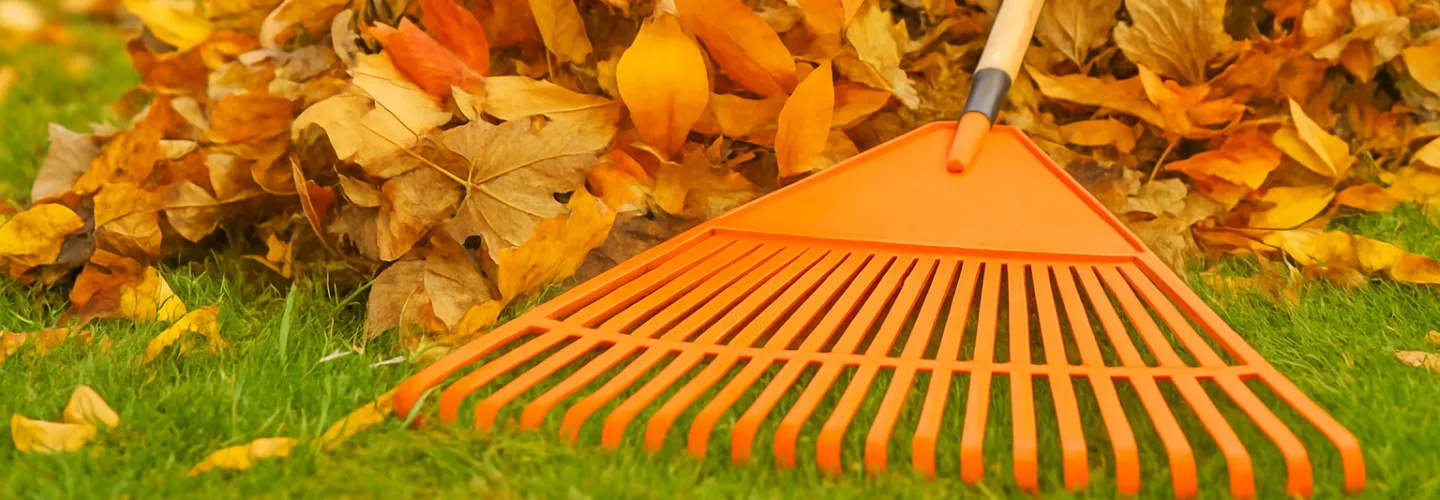
Sandoval Green Waste Disposal Services
Choose our Green Waste Disposal for reliable, environmentally responsible service that keeps your property clean and supports a healthier planet. We make it easy to dispose of yard debris and organic waste the right way.
Get a Free QuoteOur Sandoval Landscaping & Yard Care Services
When to Schedule Green Waste Disposal in Sandoval, Florida – Seasonal Guide
In Sandoval, Florida, the timing of green waste disposal is closely tied to our unique subtropical climate and the rhythms of local landscaping needs. The optimal periods for scheduling green waste removal are typically late winter through early spring and again in late summer, just before the peak of hurricane season. These windows align with the end of our mild frost period and the start of active plant growth, as well as the time when many residents in neighborhoods like Sandoval Estates and near the Sandoval Community Park undertake major yard cleanups.
Local environmental factors play a significant role in determining the best disposal schedule. For example, our sandy soils drain quickly but can dry out during drought-prone months, while the dense shade from mature oaks in areas like Riverwalk can delay leaf drop and require later cleanups. Humidity and rainfall patterns also affect how quickly organic debris decomposes, and municipal guidelines—available through resources like the Town of Sudbury—may set specific collection dates or restrictions.
Local Factors to Consider for Green Waste Disposal in Sandoval
- Tree density and species (live oaks, palms, and pines)
- Proximity to water features or wetlands
- Seasonal precipitation and hurricane risk
- Soil type (sandy vs. loamy)
- Shade coverage and microclimates
- Municipal collection schedules and restrictions
- Terrain and accessibility for disposal vehicles
Benefits of Green Waste Disposal in Sandoval
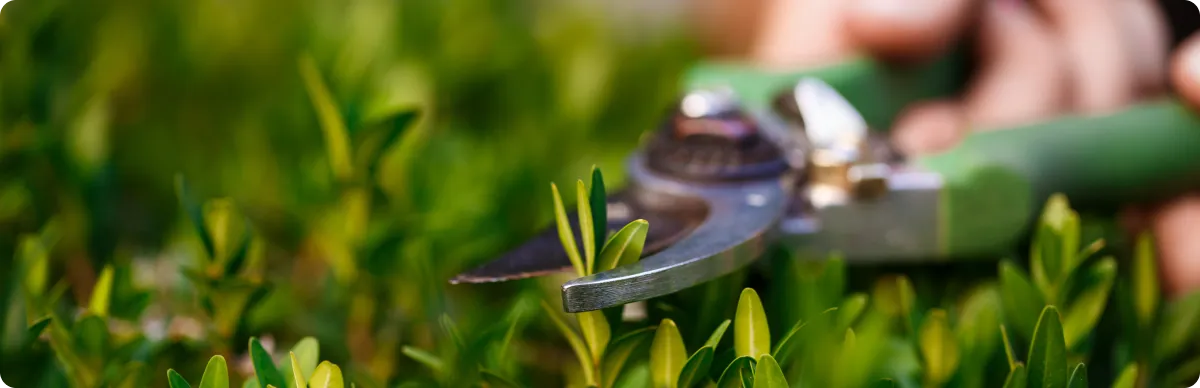
Eco-Friendly Landscaping Solutions
Efficient Green Waste Removal
Promotes Healthy Plant Growth
Reduces Landfill Waste
Supports Local Sustainability
Enhances Property Appearance
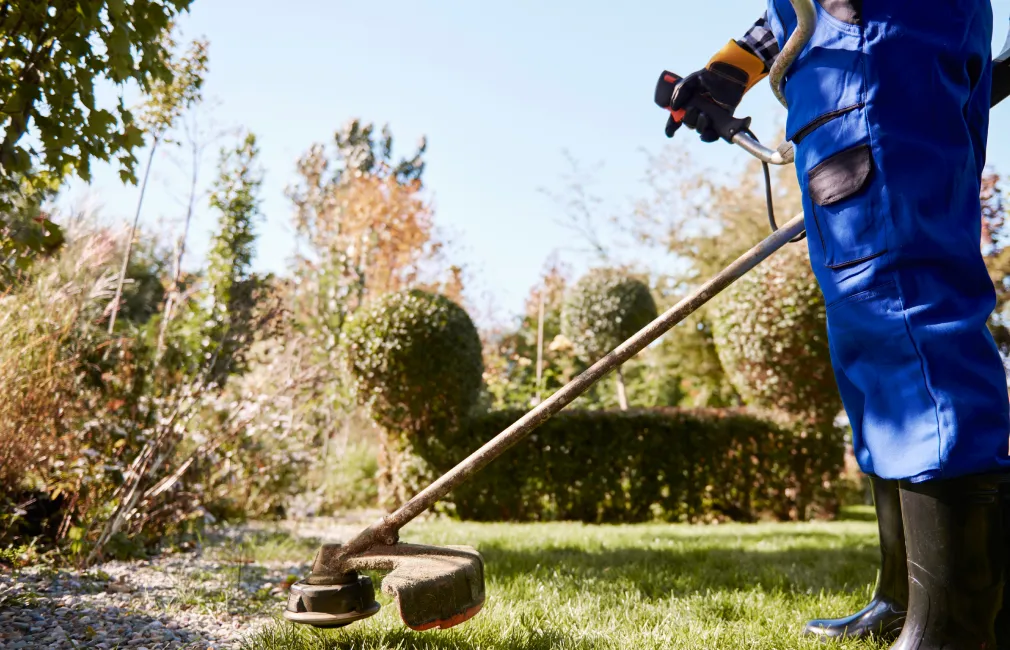
Sandoval Green Waste Disposal Types

Grass Clippings
-
Tree Branches
-
Shrub Trimmings
-
Leaves Collection
-
Garden Debris
-
Weed Removal
-
Mulch Recycling
Our Green Waste Disposal Process
Collection of Green Waste
Sorting and Separation
Transport to Disposal Facility
Eco-Friendly Processing
Why Choose Sandoval Landscape Services
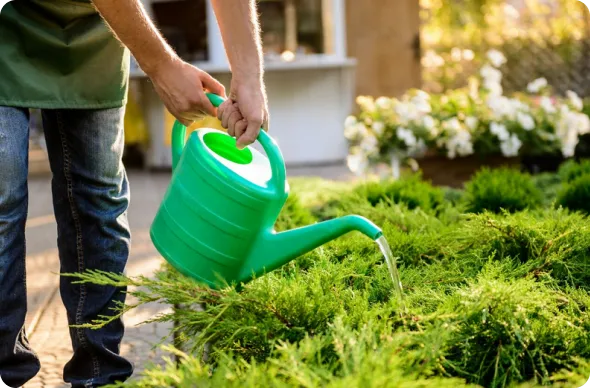
-
Sandoval Homeowners Trust Us
-
Expert Lawn Maintenance
-
Reliable Scheduling
-
Competitive Pricing
-
Professional Team
-
Satisfaction Guarantee
-
Personalized Service
Sandoval's Sandy Entisol Soils and Green Waste Decomposition Challenges
Sandoval is a residential community within the City of Cape Coral in Lee County, Florida, situated in USDA Hardiness Zone 10a. The area's predominant soils are sandy Entisols—primarily Boca fine sand and Hallandale fine sand series—characterized by rapid drainage, low organic matter content (typically below 1%), and slightly acidic to neutral pH ranging from 5.5 to 7.0. These sandy, limestone-influenced soils decompose organic yard waste slowly when left on-site, creating potential code enforcement concerns. Green waste such as palm fronds, grass clippings, and leaf litter left in piles can attract pests and impede stormwater flow across flat terrain with water tables often only 12–24 inches below grade. Property owners should understand that Sandoval's soil conditions make proper green waste removal—rather than on-site burial or stockpiling—the preferred disposal method. Soil characteristics can be verified through the USDA Web Soil Survey for site-specific data relevant to individual parcels.
Coordinating Yard Debris Pickup Through Cape Coral Public Works Operations
Cape Coral's curbside yard waste collection program serves Sandoval residents on a weekly schedule. Accepted materials include grass clippings, leaves, small branches under 6 feet in length and 4 inches in diameter, and palm fronds. Residents must follow specific preparation requirements:
- Branches and palm fronds: Cut to 6-foot maximum length, bundled or stacked neatly at curbside
- Grass clippings and leaves: Placed in open-top containers not exceeding 50 pounds per unit
- Prohibited items: Plastic bags, construction debris, soil, rocks, and treated lumber
- Placement: Materials set at curbside by 6:00 AM on scheduled collection day
- Setback: Debris placed within 6 feet of the curb, not blocking sidewalks or drainage swales
Large-scale land clearing or storm debris removal exceeding normal weekly volumes may require coordination with the city's contracted waste hauler for special pickup scheduling.
City of Cape Coral Public Works Department
1015 Cultural Park Boulevard, Cape Coral, FL 33990
Phone: (239) 574-0800
Official Website: City of Cape Coral Public Works Department
Protecting Sandoval's Canal Network and Stormwater System from Green Waste Runoff
Sandoval's extensive freshwater canal system—a defining feature of Cape Coral's infrastructure—requires strict compliance with stormwater management regulations during green waste disposal activities. Under the Clean Water Act and Cape Coral's MS4 municipal stormwater permit, yard debris must never enter canal waterways, storm drains, or drainage swales. Key environmental compliance requirements include:
- Maintain a minimum 25-foot no-debris zone from canal banks and seawalls
- Never blow or rake grass clippings, leaves, or organic matter into stormwater inlets
- Prevent green waste staging areas from blocking swale drainage flow
- Remove floating vegetation and debris from canal-adjacent properties before collection day
The Florida Department of Environmental Protection (FDEP) enforces the Florida Environmental Protection Act and oversees nutrient loading standards that directly affect how decomposing yard waste near waterways is regulated. EPA Region 4 provides additional federal oversight for Southeast Florida's water quality programs.
City of Cape Coral Environmental Resources
1015 Cultural Park Boulevard, Cape Coral, FL 33990
Phone: (239) 574-0800
Official Website: City of Cape Coral Environmental Resources
How Cape Coral's Tree Trimming Program Affects Green Waste Volume in Sandoval
Cape Coral maintains a municipal tree trimming program for vegetation within public rights-of-way, which directly influences the volume of green waste generated in Sandoval. The city's Transportation Maintenance division manages right-of-way clearance on a rotating schedule, but property owners remain responsible for disposing of all green waste generated from trees and vegetation on private property. Important considerations include:
- Protected species: Royal palms, live oaks, and bald cypress trees over 4 inches DBH (diameter at breast height) may require permits before removal or major pruning
- Hurricane season (June 1–November 30): Pre-storm trimming generates significant debris volumes; schedule disposal before peak storm activity
- Permit process: Tree removal permits are processed through Development Services, typically requiring 5–10 business days for review
- Disposal of large limbs: Branches exceeding 4 inches in diameter or 6 feet in length require special hauling arrangements
UF/IFAS Extension provides guidance on proper pruning techniques that minimize waste volume while maintaining tree health in Southwest Florida's subtropical climate.
City of Cape Coral Tree Trimming Program
1015 Cultural Park Boulevard, Cape Coral, FL 33990
Phone: (239) 574-0800
Official Website: City of Cape Coral Tree Trimming Program
Seasonal Green Waste Timing for Sandoval's Year-Round Growing Climate
Unlike northern regions with dormant winters, Sandoval's Zone 10a climate produces green waste continuously throughout the year, with peak volumes occurring during the wet season from May through October. The National Weather Service Tampa Bay office monitors local weather patterns that directly affect yard waste generation schedules. Seasonal planning considerations include:
- May–September: Peak grass growth period; St. Augustinegrass and Bahiagrass lawns require weekly mowing, generating maximum clipping volume
- June–November: Hurricane season produces sudden large-volume debris from wind damage to palms, tropical hardwoods, and ornamental plantings
- October–December: Deciduous and semi-deciduous species such as bald cypress and red maple drop foliage, increasing leaf litter
- January–March: Lowest growth period; ideal for major pruning projects that generate bulk green waste
- Year-round: Palm frond drop occurs continuously, with royal palms and coconut palms shedding 12–18 fronds annually per tree
Residents should plan disposal timing around collection schedules and avoid stockpiling wet-season debris, which decomposes rapidly in temperatures averaging 82–90°F and humidity above 70%.
What Streets and Subdivisions Do We Serve Throughout Sandoval, FL?
- Sandoval Drive and adjacent interior streets: The community's primary corridor features newer construction with established tropical landscaping including mature palms and ornamental hedges, generating consistent green waste from regular maintenance on compact residential lots.
- Homes along Via Coconut Point near the community entrance: Properties in this area feature dense ornamental plantings and St. Augustinegrass lawns on sandy Boca fine sand soils with shallow water tables, requiring frequent debris removal to prevent swale blockage.
- The Sandoval Town Center vicinity: Mixed residential parcels near community amenities produce moderate green waste volumes; narrow access roads and limited curbside staging space require careful debris placement for collection vehicles.
- Lakefront and preserve-adjacent lots along the southern perimeter: These properties border conservation wetlands and retention ponds, requiring strict 25-foot buffer compliance and heightened attention to preventing organic debris from entering protected waterways.
- Northern subdivision sections near Veterans Memorial Parkway: Newer development phases with recently planted landscaping generate increasing waste volumes as tropical vegetation matures; sandy Hallandale soils drain rapidly but offer minimal organic retention.